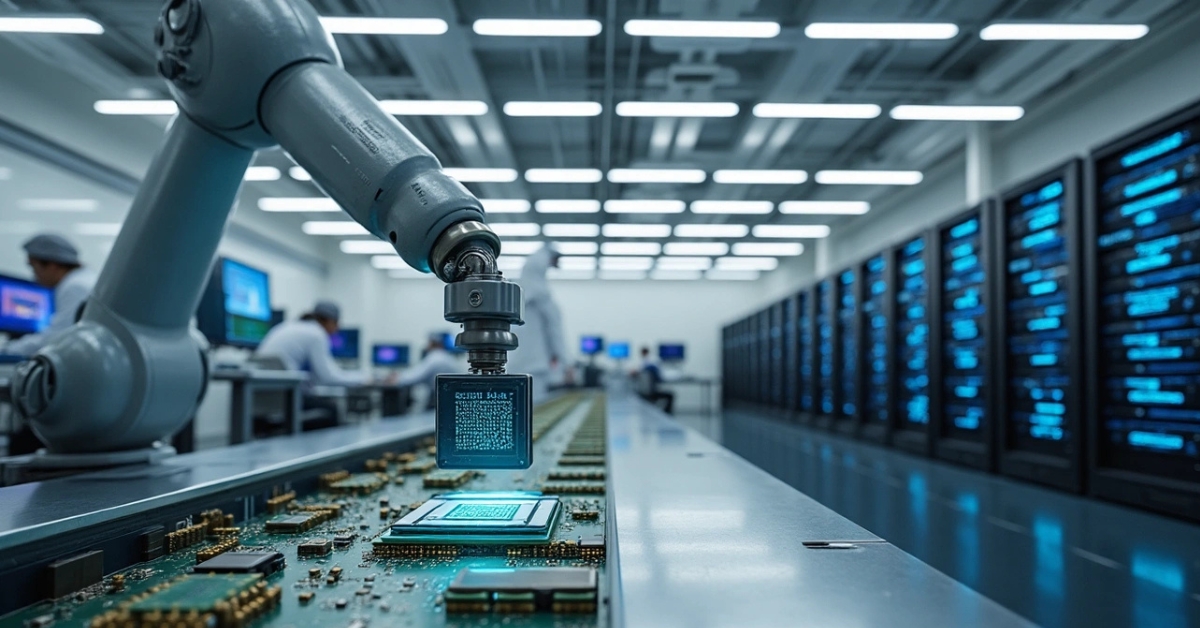

What do illegal immigration, counterfeit goods, and the skyrocketing prices of electronic components all have in common? At first glance, they might seem like unrelated issues occupying different spaces in global conversations. But dig a little deeper, and you’ll find they are all deeply connected by one powerful, often overlooked factor—supply chains and the complexities of global trade.
Whether you’re an industry professional or a casual observer, the links between these issues tell a crucial story about globalization, regulation, and the future of commerce. To understand this connection means to better prepare for what comes next—both the challenges and the opportunities.
The Threads That Tie It All Together
Illegal Immigration and Labor Exploitation
Global supply chains don’t just move products; they move people. Illegal immigration is often fueled by the promise of work, with many ending up as part of the invisible workforce in industries that rely on cheap labor. Agriculture, manufacturing, and even the tech sector have all been implicated. These individuals, often exploited, form a vulnerable part of the supply chain.
For many industries, this labor supports the production of goods that consumers demand at competitive rates. However, such exploitation creates ethical dilemmas and exposes companies to reputational damage if linked to forced labor practices.
Counterfeit Goods and Black Market Trade
Counterfeit goods are a multi-trillion-dollar industry. From fake designer handbags to uncertified microchips, counterfeiting has infiltrated nearly every sector of the economy. Counterfeit electronic components, for example, are not only illegal but also dangerous—compromising the safety and reliability of devices ranging from smartphones to military equipment.
What’s the link to illegal immigration? They often intersect in underground economies where vulnerabilities are exploited, whether it be through labor, smuggling routes, or criminal networks. The lack of transparency in supply chains allows these two issues to thrive hand in hand.
The Rising Costs of Electronic Components
Over the past few years, the price of electronic components has surged, driven by supply chain disruptions, raw material shortages, and a global chip demand unlike anything we’ve seen before. With fewer components available, counterfeiters have stepped in to meet the supply gap. It’s a dangerous game when uncertified, low-quality parts are pressed into service within high-stakes industries like healthcare or aviation.
The involvement of exploited labor or irregular trade practices in counterfeit production shows how closely tied these issues are. For industry professionals, understanding these dynamics isn’t just about protecting profits—it’s about ensuring product quality and human dignity.
Why It Matters for Industry Professionals
These interconnected issues are not just policy problems or societal concerns. They are your challenges too. Whether you’re in manufacturing, procurement, or logistics, the reality is that the supply chain doesn’t exist in isolation. It’s impacted by societal shifts, labor dynamics, and the growing problem of counterfeit infiltration.
Here are three takeaways that demand attention:
- Transparency Is Non-Negotiable
The demand for ethical supply chains is rising. Customers want to know that the goods they purchase aren’t built on the backs of exploited workers or riddled with counterfeit components. Transparent systems reduce reputational risks and bolster consumer trust.
- Counterfeit Detection Saves More Than Money
Investing in counterfeit detection is not just a cost-saving measure; it’s a safeguard against potential disasters. Subpar electronic components can compromise entire systems, costing businesses their reputation and safety standards.
- Global Trade Is Changing—Be Prepared
Stringent regulations, escalating costs, and growing global scrutiny are changing the trade landscape. Businesses that don’t adapt risk falling behind.
What Can You Do Today?
Start the conversation. Think about your supply chain. Are there areas where transparency or quality can improve? Do your procurement processes safeguard against counterfeit goods? Does your organization advocate for ethical labor practices?
These questions matter because solving these challenges is not a one-person job—it’s a collective effort. No one industry professional or organization can resolve these issues alone. But together? Change becomes possible.
Your Next Move
If this article resonates with you, share it with your network. Drop your thoughts in the comments and let’s discuss practical solutions. Together, we can build a future where supply chains are transparent, ethical, and free of exploitation.
It’s not just about solving a problem. It’s about creating a wave of change. Will you join it?