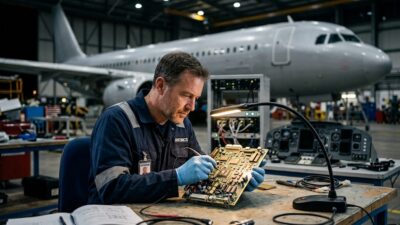

Technology keeps advancing, making it hard to produce enough parts to keep up with the pace. This makes some parts very hard to source. The shortage of these components can result in supply chain challenges and stop production.
Several electronics components, including microcontrollers and multilayer ceramic capacitors, have become very tough to source, from supply chain interruption to market demand shifts. As a result, these parts are called obsolete components. This article will help explain why these components are so hard to find and the most reliable way to source them.
Check out some vital factors that make some electronic parts hard to find.
Increase in Demand
Many companies are constantly on the lookout for new electronic parts and semiconductors. And because of this, original manufacturers produce them in high quantities without bothering about the repercussion of obsolescence. When obsolescence happens, the producers of the old parts choose to stop production, which will result in end-of-life purchases.
Shorter Product Life Cycles
Technological advancement contributed immensely to the short life cycle of electronic parts. Each product undergoes the following four processes:
- Introduction:
This phase of the product’s life is very crucial. It comprises market research, product research, the production of the component, and its introduction to the market. In this stage, there is no assurance that the product will make waves or be successful in the market. After production, the Original Equipment Manufacturer (OEM) will have to wait to see if their invention meets and complements consumer demand predictions. - Growth:
In this stage, the product has been launched successfully, and the OEM has recovered all their investment. They now focus more on how to position and distribute the components as a reliable solution within a market niche. - Maturity:
Once the originality of the component wears off, it becomes an option for the consumer. The reason is simple. The competitors of the OEM will start manufacturing their version of the component and launching them in the market. Their versions will also include significant improvements to the original version. - Decline:
Once the demand for the component begins to reduce, the Original Equipment Manufacturer(OEM) will start to dedicate their time and resources to creating and manufacturing newer and better solutions. And because the demand for the component has significantly reduced, the OEM is no longer getting any profit from it. So, they have no choice but to stop the production of the component. The existing components circulating will become very hard to find since no new components are coming off the production line. Nevertheless, many companies might still need the parts their legacy systems are in working order.

Fast-Changing Technology
Many components are becoming difficult to find because of rapid technological advancements. Many industries, like telecommunications, consumer electronics, military and defense, computers, aerospace, etc., also contribute because of their increasing demand for these parts.
As these industries progress and expand, they embrace new inventions and technologies. And this also influences growth in the electronic sector. This makes OEMs labor to produce high-end electronic parts to meet these demands. As a result, many electronic components have a short life cycle.
Arising industries also play a massive role in the scarcity of electronic parts. Many of them, such as autonomous technology, augmented reality, the Internet of things, etc., all require smaller chips that are durable and don’t consume much power, and are durable.
Many manufacturers will stop the production of older parts as a result. This results in some parts getting difficult to source, which compels manufacturers to create the parts again or find worthy replacements.
Supply Chain Disruptions
Supply chain disruptions have been a significant factor in the scarcity of electronic components. Events like the COVID-19 pandemic, geopolitical tensions, and natural disasters have caused significant delays and shortages. The global electronic component market is expected to grow from $186 billion in 2022 to $329 billion by 2031. increasing competition for these parts.
Current Trends in Sourcing Obsolete Electronics Parts
1. Higher Threshold to Stay in the Supply Stream
Suppliers are consolidating due to cost structures and reshoring efforts. This has led to redundancies and accelerated end-of-life for parts. A strong distributor relationship can help avoid supplier drama and introduce viable alternative component supplies.
2. Reshoring
Reshoring, or bringing manufacturing back to domestic locations, is becoming more viable. This addresses operational costs, disruption resilience, quality control, lead time, and IP protection. However, setting up new domestic production lines takes time.
3. Cybersecurity Risks
Protecting digital assets is more important than ever. Cybersecurity risks are a significant concern for both onshore and offshore suppliers.
4. AI and Automation
AI and automation are playing a crucial role in optimizing supply chains. These technologies help in predicting demand, managing inventory, and identifying alternative components.
Case Studies of Companies Facing Challenges Due to Obsolete Parts
1. Aerospace Industry
The aerospace industry often encounters challenges stemming from component obsolescence. For instance, an aerospace manufacturer had to spend over $2 million and endure a six-month production delay when a critical microcontroller for their avionics systems was discontinued. Collaborating with a specialized distributor enabled them to secure remaining stock and alternative solutions, minimizing further setbacks.
2. Consumer Electronics
Multilayer ceramic capacitors (MLCCs) are essential components found in nearly every electronic device, from smartphones to vehicles. Their high demand stems from industries like automotive, telecommunications, and consumer electronics. However, an ongoing global shortage has created significant challenges for manufacturers.
For instance, production delays in consumer electronics and automotive sectors have been attributed to limited MLCC availability. Manufacturers are finding it challenging to meet the rising demand for advanced devices like electric vehicles and 5G-enabled gadgets, which require more MLCCs than their predecessors. With the rapid adoption of connected technologies, even seemingly simple devices now demand higher component counts, further straining supply.
To address these issues, many companies have implemented proactive strategies, such as:
- Expanding sourcing networks by working with multiple suppliers.
- Enhancing inventory planning using advanced software tools to anticipate demand.
- Collaborating closely with distributors to secure scarce components.
These approaches have helped some manufacturers maintain production schedules despite the challenging supply chain landscape. However, with demand expected to grow further in coming years, sourcing MLCCs remains a critical priority for businesses across industries.
Impact of Emerging Technologies on the Electronics Components Market
1. Artificial Intelligence (AI)
AI is revolutionizing the electronics components market by enabling smarter manufacturing processes and predictive maintenance. AI algorithms can analyze vast amounts of data to forecast demand, optimize production schedules, and identify potential supply chain disruptions before they occur. This proactive approach helps companies stay ahead of obsolescence issues and maintain a steady supply of components.
2. Internet of Things (IoT)
The IoT is driving demand for a new generation of electronic components that are smaller, more efficient, and capable of wireless communication. This has led to the development of advanced sensors, microcontrollers, and connectivity modules. However, the rapid pace of innovation in IoT also means that components can become obsolete quickly, requiring companies to stay agile and continuously update their designs.
3. Autonomous Vehicles
The rise of autonomous vehicles is creating a surge in demand for high-reliability components such as sensors, processors, and communication modules. These vehicles rely on a complex network of electronic systems to operate safely and efficiently. As the technology evolves, older components may become obsolete, necessitating frequent updates and redesigns to keep up with advancements.
Strategies to Mitigate Supply Chain Disruptions
1. Diversify Suppliers and Sourcing Locations
Relying on a single supplier or geographic region can increase vulnerability to disruptions. By diversifying suppliers and sourcing materials from multiple locations, companies can reduce risk and potentially lower costs. Building relationships with local suppliers can also mitigate delays associated with international shipping.
2. Implement Robust Inventory Management
Effective inventory management is critical in times of uncertainty. Companies should adopt just-in-time (JIT) systems that balance supply and demand while maintaining safety stock to buffer against disruptions. Inventory management software enhances visibility, enabling manufacturers to track levels in real-time and make data-driven decisions.
3. Enhance Communication and Collaboration
Clear communication across the supply chain is essential. Manufacturers should foster strong relationships with suppliers, logistics providers, and internal teams to keep everyone informed about potential risks and changes. Building a culture of transparency encourages proactive problem-solving and strengthens partnerships.
4. Invest in Technology and Automation
Leveraging technology can enhance supply chain resilience. Advanced technologies like AI and data analytics provide insights into supply chain performance and potential risks. Automation can streamline processes and improve order fulfillment accuracy, enabling quick responses to market fluctuations.
5. Develop Contingency Plans
Having well-defined contingency plans is crucial for responding to disruptions. Companies should conduct risk assessments to identify vulnerabilities and develop action plans for various scenarios, ensuring regular reviews to keep plans relevant and effective.
Future Trends and Predictions for the Electronics Components Market
1. Growth in AI and High-Bandwidth Memory (HBM)
AI continues to be a major driver of growth in the electronics components market. The demand for AI accelerators and HBM technology is projected to surge, with HBM revenue potentially increasing by up to 70% in 2025. This growth is driven by the need for faster processing speeds and high data throughput required by AI applications.
2. Cloud Infrastructure and Hyperscale Data Centers
Investments in cloud computing, particularly in hyperscale data centers, are expected to drive demand for advanced semiconductor solutions. As the cloud expands, competition among chip manufacturers will intensify, spurring innovation in energy-efficient designs and high-capacity memory systems.
3. Challenges in Legacy and Consumer Electronics Segments
Certain segments within the semiconductor market may struggle to keep pace with high-growth sectors. For example, the automotive sector remains volatile, with inventory corrections and cyclical downturns potentially limiting growth in 2025. Similarly, market saturation in smartphones and PCs, coupled with extended product lifecycles, is likely to slow growth in consumer electronics.
How to Source For Parts That Are Hard to Find?
There will continue to be huge technological breakthroughs, so it’s not slowing down anytime soon. Continuous inventions control the market, and electronics parts manufacturers must design and produce newer and better products to keep up with the market’s demand and stay competitive. However, all hope is not lost when sourcing hard-to-find electronic parts.
Despite the challenges, there are ways to source hard-to-find electronic parts:
- Trusted Distributors: The best way to source these components is through a trusted and reliable AS9120-certified electronic component distributor like Vyrian. They are procurement experts and can help you to source highly allocated, end-of-life, obsolete components you need.
- Multisourcing: Use multiple sources for the same component to ensure a stable supply.
- Proactive Planning: Stay ahead of obsolescence by forecasting trends and securing necessary components in advance.
- Strong Supplier Relationships: Build strong partnerships with suppliers who are experts in procuring hard-to-find components.
Final Thoughts
The demand for newer and better electronic parts, fast-changing technology, and shorter product life cycles will continue to make some electronic parts hard to find. However, proper planning and strong partnerships with expert suppliers can help navigate these challenges effortlessly.
By staying informed about market trends and leveraging the expertise of trusted distributors, companies can ensure a steady supply of the components they need to keep their operations running smoothly.