In Tesla’s much-anticipated earnings call on July 23, 2024, an optimistic Elon Musk shed light on the company’s evolving strategy on AI chips. As most readers likely know, we are in the middle of an unprecedented AI boom. Companies worldwide are clamoring for Nvidia’s AI chips to get and stay ahead of the curve—and Nvidia is struggling to keep up.
In the call, Musk expressed concern about Tesla’s access to Nvidia’s AI chips, citing the intense demand driven by the ongoing AI arms race. Musk explained to analysts that the demand for the product is so high that “it’s often difficult to get the GPUs.” For companies like Tesla, managing resources across various technological initiatives (and managing them in an environment that is almost always plagued by global chip shortages) is a complex balancing act.
The Nvidia Chip Supply Crunch & Chip Allocation
The Nvidia chip availability issue took center stage during the analyst Q&A session. In fact, the very first question addressed to Musk once the floor was opened was about comments concerning an Nvidia chip reallocation incident from earlier this year. According to internal Nvidia email communications, Musk was said to have diverted a shipment of Nvidia GPUs (H-100s) from Tesla to his other ventures, X and xAI. During the call, Musk attempted to frame this decision as pragmatic and even beneficial to Tesla, claiming that at the time, the company “couldn’t turn them on” and that it lacked the infrastructure to utilize the chips effectively. Musk simply reiterated to analysts—“It does Tesla no good to have GPUs that it cannot turn on.”
However, according to one CNBC report, this redirection of chips during a shortage may have significantly impacted Tesla’s autonomous vehicle development and deployment timeline. By pushing Nvidia to deliver chips to X and other ventures ahead of Tesla, the report alleges, “Musk pushed back the automaker’s receipt of more than $500 million in graphics processing units, or GPUs, by months, likely adding to delays in setting up the supercomputers Tesla says it needs to develop autonomous vehicles and humanoid robots.”
So, What’s Ahead for Tesla?
The Dojo Solution
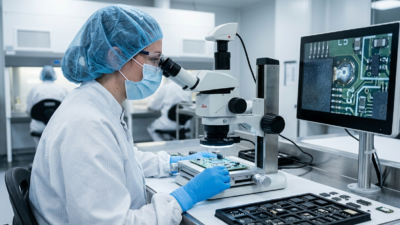
In response to the Nvidia chip shortage, Musk revealed that Tesla is ramping up efforts on its in-house Dojo supercomputer project. The CEO expressed hope that Dojo would eventually compete with Nvidia’s offerings and could potentially provide Tesla with a more reliable and tailored chip supply for its AI-driven initiatives. Recent reports indicate that Tesla’s custom Dojo AI processor has already entered mass production. This wafer-scale chip, which integrates 25 processors onto a single wafer, is specially designed for high-performance AI training and could potentially alleviate Tesla’s reliance on external chip suppliers like Nvidia. Only time will tell if this bet will pan out.
In true Elon style, Musk reiterated that Tesla’s value is still heavily tied to its self-driving efforts—and has even gone as far as suggesting in past calls that investors who don’t believe in the company’s ability to solve autonomous driving shouldn’t own Tesla shares.
The Bottom Line
We cannot deny that Musk’s optimism about Tesla’s AI capabilities is unwavering, but . . . this Nvidia AI chip supply issue does present a very real challenge for Tesla (and others) in the near term. The success of the Dojo project could be crucial for Tesla as it fights to maintain its competitive edge in the EV and autonomous driving markets.
Investors and industry watchers will be keeping a close eye on the progress of Dojo and its potential to alleviate the company’s reliance on Nvidia. However, if investor sentiment is any indication of Tesla’s success, things are not exactly trending in Musk’s favor. According to Business Insider, “By the time Musk had signed off from the Tesla earnings call, the carmaker’s stock had tumbled more than 7% in after-hours trading.”
Exciting times indeed. Want to know more?
Watch Tesla’s livestream here.