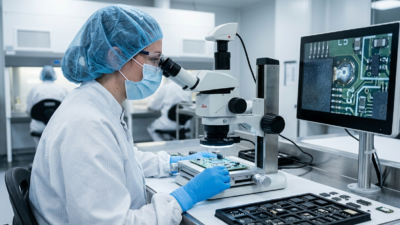
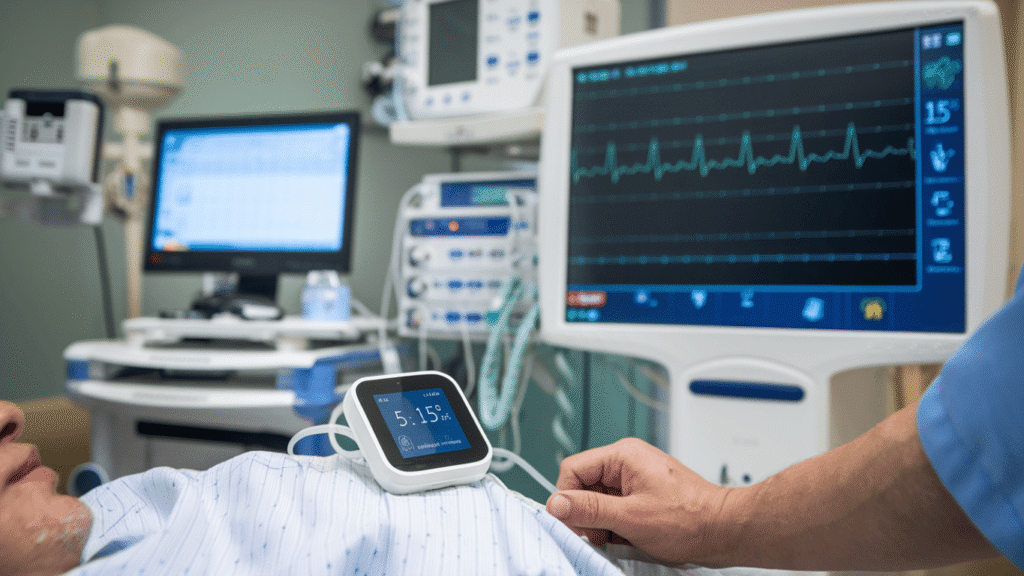
In the rapidly evolving world of medical device manufacturing, the Internet of Things (IoT) is emerging as a transformative force. The global IoT healthcare market, valued at $139.74 billion in 2023, is projected to grow to $822.54 billion by 2032, reflecting a compound annual growth rate (CAGR) of 21.3%. This technological revolution is not just enhancing the efficiency and precision of manufacturing processes but also paving the way for innovative, patient-centric healthcare solutions.
Vyrian, a leading distributor of advanced electronic components, supports this transformation by providing high-quality IoT components to medical device manufacturers worldwide.
The IoT Revolution in Medical Manufacturing
The integration of IoT in medical device manufacturing is akin to a digital renaissance. IoT devices, embedded with sensors and connected through the internet, enable real-time data collection and analysis. This connectivity allows manufacturers to monitor equipment performance, predict maintenance needs, and ensure optimal operating conditions, thereby reducing downtime and enhancing productivity.
One of the most significant impacts of IoT is in predictive maintenance. Traditional maintenance schedules often lead to unnecessary downtime or unexpected failures. IoT-enabled devices can predict when a machine is likely to fail, allowing for timely interventions that minimize disruptions.
Enhancing Quality Control and Compliance
Quality control is paramount in medical device manufacturing, where precision and reliability can mean the difference between life and death. IoT technologies facilitate stringent quality control by providing continuous monitoring and real-time feedback. This ensures that every device meets the highest standards of safety and efficacy.
Moreover, the regulatory landscape for medical devices is becoming increasingly stringent. IoT helps manufacturers comply with these regulations by maintaining detailed records of the manufacturing process, from raw material sourcing to final product delivery. This transparency is crucial for audits and regulatory approvals.
Personalization and Customization
The demand for personalized medical devices is on the rise. Patients and healthcare providers are seeking solutions tailored to individual needs. IoT enables manufacturers to meet this demand through advanced manufacturing techniques like 3D printing and additive manufacturing. These technologies allow for rapid prototyping and customization, making it possible to produce bespoke devices quickly and efficiently.
Miniaturization and Portability
Another exciting trend driven by IoT is the miniaturization of medical devices. Smaller, more portable devices are revolutionizing patient care by enabling less invasive procedures and quicker recovery times. IoT components are integral to these advancements, providing the necessary connectivity and data processing capabilities in compact forms.
Case Study: Cadence Inc.
Cadence Inc., a leading Medical Device Contract Manufacturing Organization (CMO), exemplifies how advanced technologies like IoT are transforming the industry. With a focus on precision engineering and vertically integrated capabilities, Cadence ensures superior performance and reliability in its products. Their innovative IncisionLab™ offers state-of-the-art testing and measurement services, setting new industry benchmarks for quality and differentiation.
The Future of IoT in Medical Device Manufacturing
The future looks promising as IoT continues to drive innovation in medical device manufacturing. With advancements in AI, machine learning, and data analytics, the potential for further improvements in efficiency, customization, and patient outcomes is immense. As manufacturers embrace these technologies, we can expect a new era of medical devices that are smarter, more reliable, and more attuned to the needs of patients and healthcare providers alike.
In conclusion, IoT is not just a technological upgrade; it is a paradigm shift that is redefining the boundaries of what is possible in medical device manufacturing. As we move forward, the integration of IoT will undoubtedly continue to unlock new possibilities, ensuring that the medical devices of tomorrow are more advanced, efficient, and patient-friendly than ever before.
📢 Need IoT Components for Your Next Medical Device?
Let Vyrian help you source the right parts for your manufacturing needs. Explore our catalog today or contact us for tailored solutions!